Ideas Exchange Forum
Our societies are increasingly fragmented and polarised, as leaders with authoritarian and populist tendencies use division and uncertainty to consolidate power.
In the context of a global polycrisis and an emerging new geopolitical era, the Ideas Exchange Forum sits at the heart of our vision: a vibrant, self-sustaining network of values-led changemakers with real systemic impact.
Societies across the globe are confronting interconnected crises — from climate breakdown to deep inequities of gender, race, and economic security. Each year, the Forum focuses on a specific shared challenge, bringing Fellows together to examine it across different national contexts and explore how leaders can respond.
The Forum is both a space for reflection and a driver of action. Through dialogue and shared learning — online and in person — Fellows develop new ideas and build the connections that make change possible. Partnerships with organisations such as the Foreign Policy Centre ensure that Fellows' insights reach a broad and influential audience.
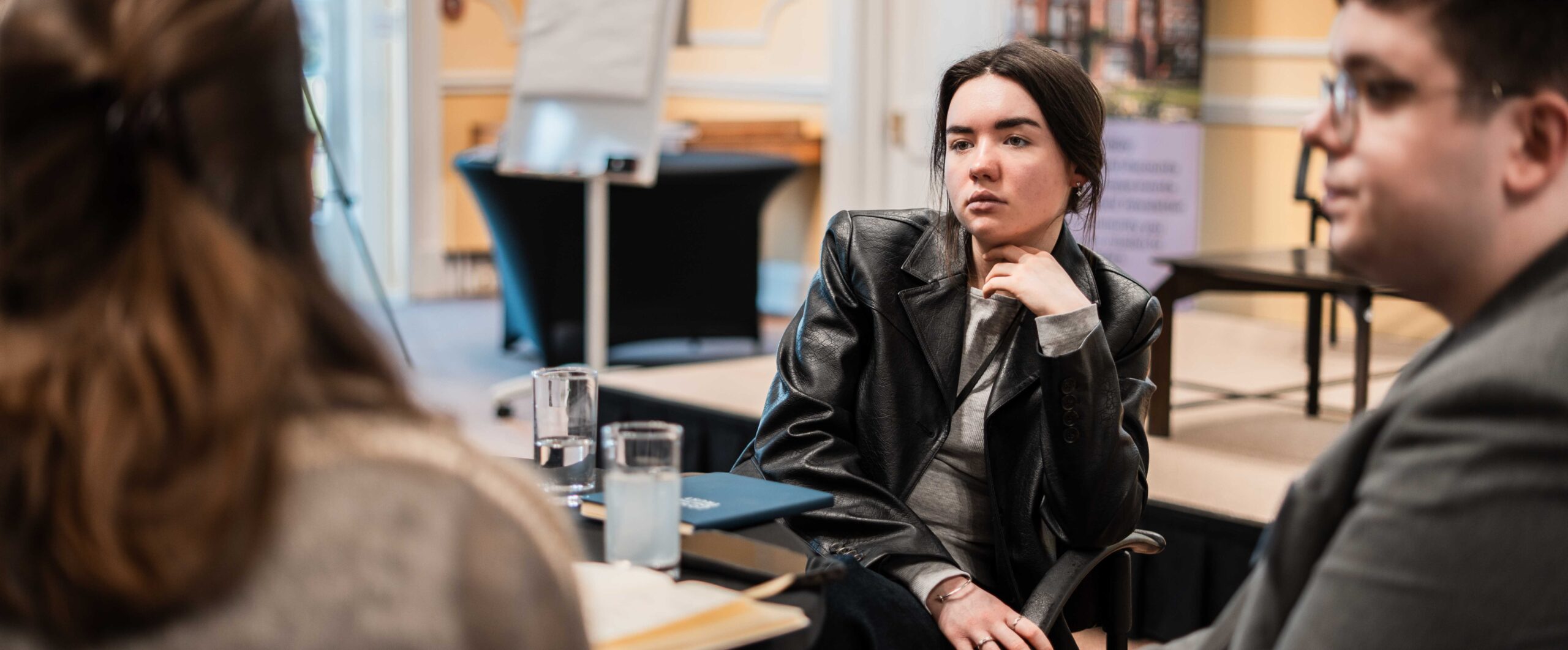
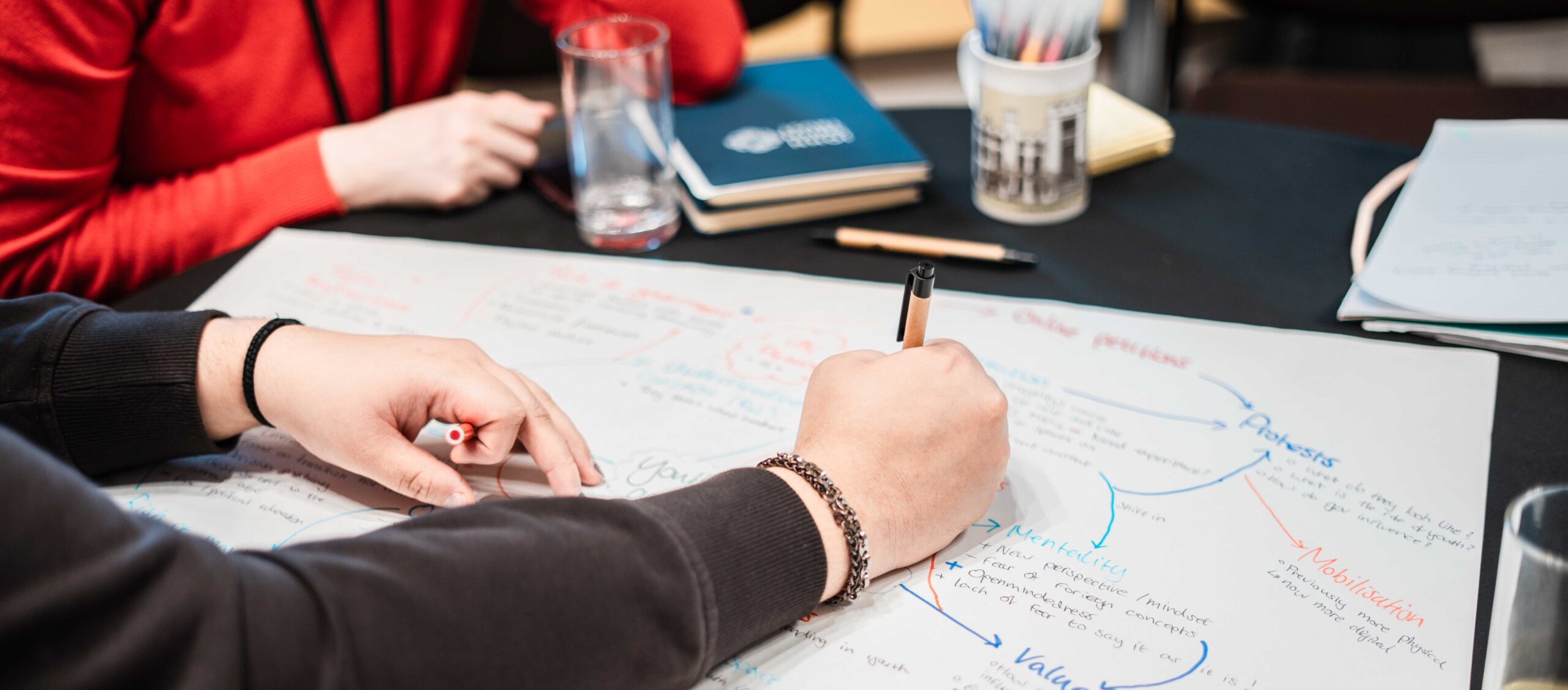
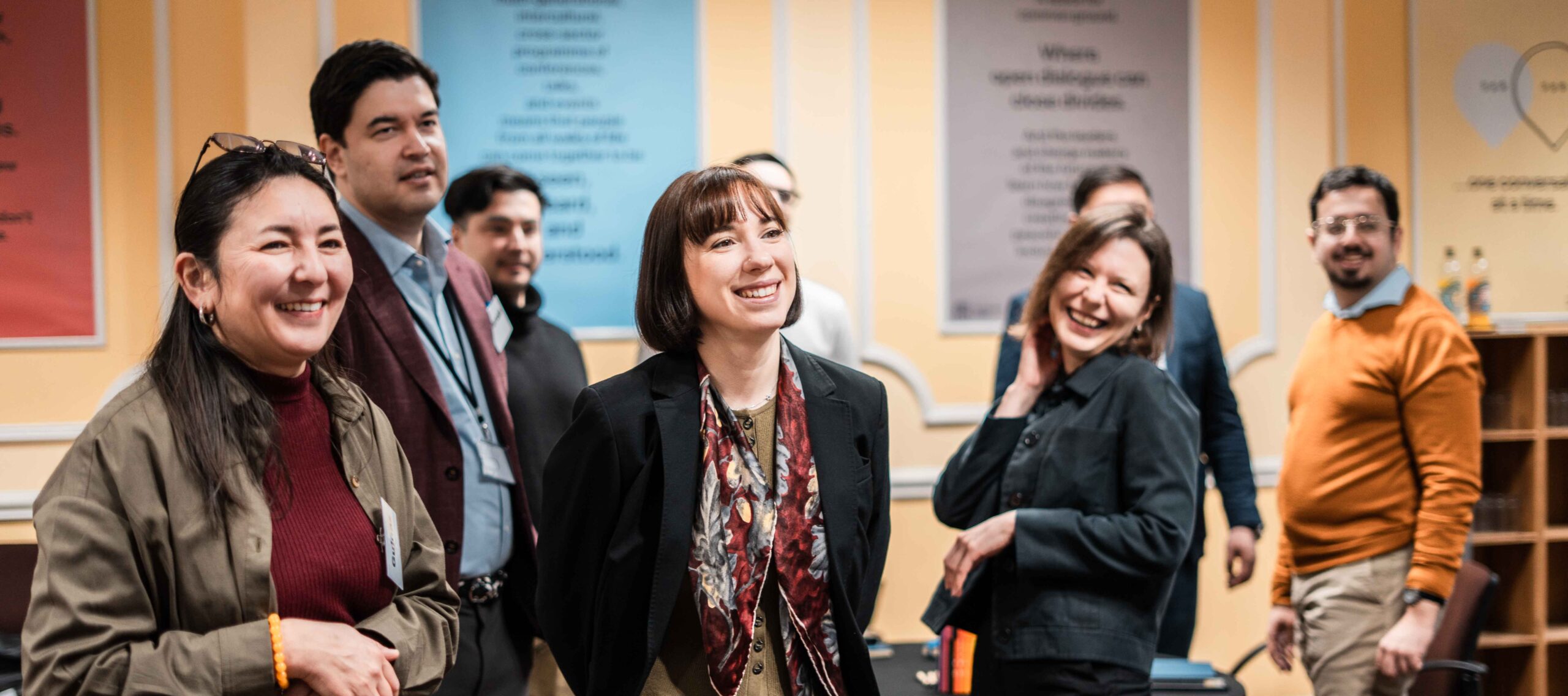
The Ideas Exchange Forum is central to JST's work to catalyse change:
- fostering a new generation of change-makers with deep connections to peers in the UK and across the region, navigating shared uncertainty and complexity
- activating relationships, skills, and collective energy within the network to build fairer, more sustainable and resilient societies
- exploring and practising transformative leadership for a complex new era.
2026 Forum
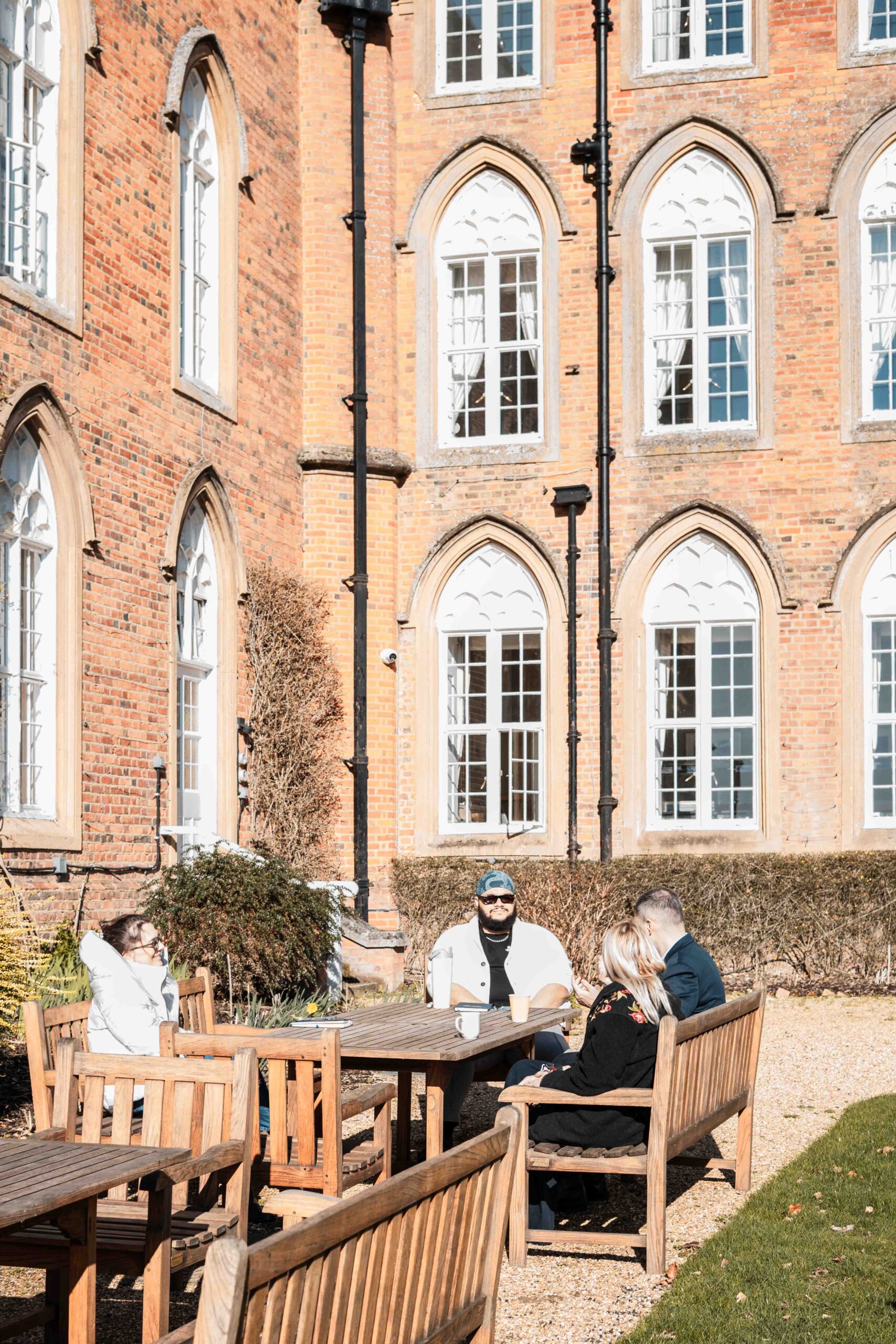
In 2026, we partnered with Cumberland Lodge to bring together members of our networks from across the UK, Eastern Europe, the South Caucasus and Central Asia for an online programme, followed by a four-day exchange exploring what democracy could look like in a new era.
At a time when democratic systems are facing a crisis of confidence, trust in political leaders and institutions is declining. In this environment, division and uncertainty can be exploited by leaders with authoritarian or populist tendencies to weaken democratic norms and consolidate power.
The Forum challenged participants to consider how their values, choices and leadership can help shape and strengthen the governance systems our societies need for the future.
Contributors to the Forum included: embodied leadership coach and educator Pete Hamill; our trustee Lord Alderdice who led a session in conversation with trustee Baroness Suttie exploring the psychological forces shaping today’s challenges, looking to history and experience for lessons on leadership; and Professor Hans Gutbrod who explored why memorialisation matters for democracy.
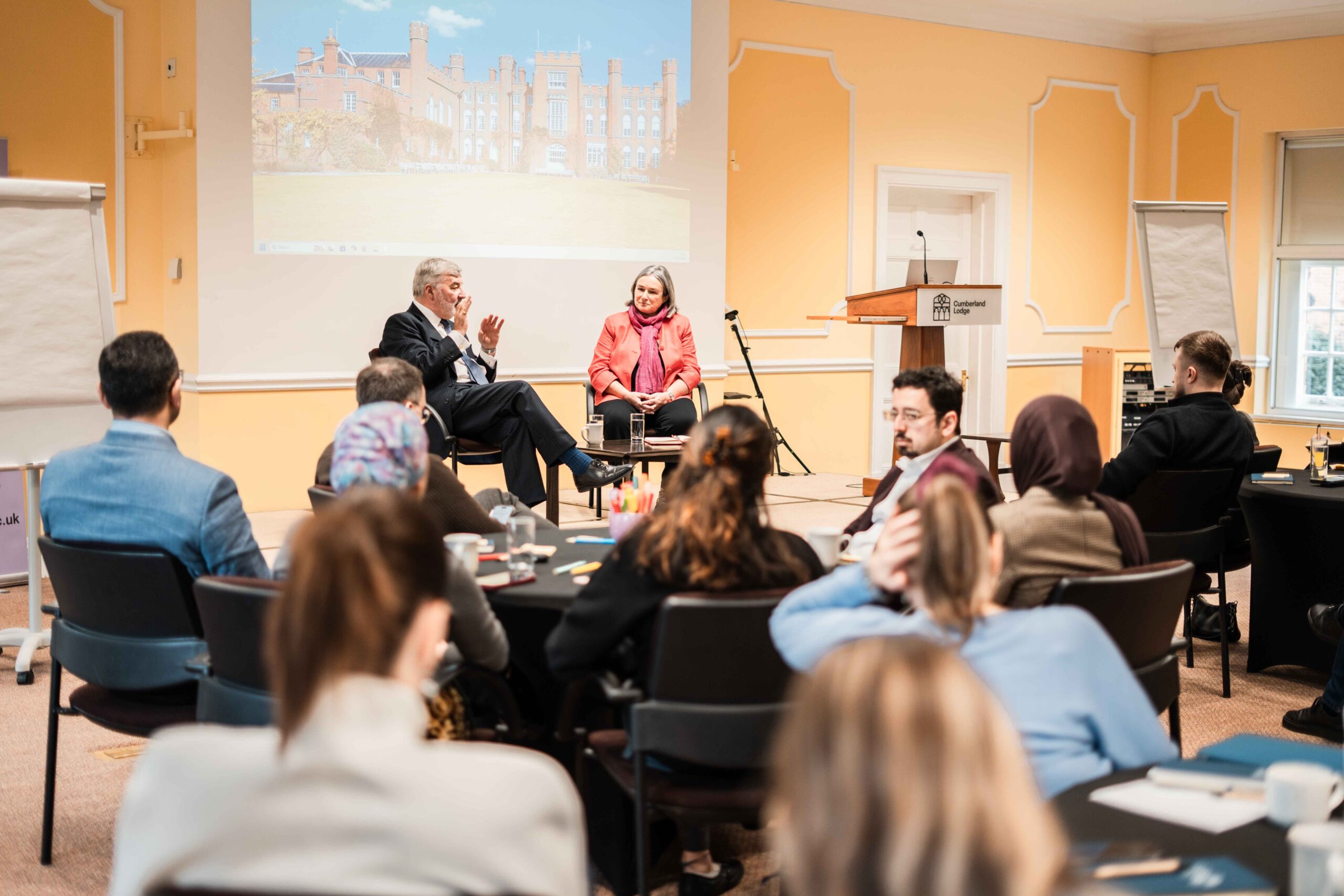
The real value of the JST fellowship is that it's a network, over 30 years, of people that share their experiences with one another. You have young and new people in the network, and you have people who've been around for many years. But it's a developed network, and in these increasingly uncertain times, it can play an ever more important role.
Baroness Alison Suttie, JST Trustee
World Cafe series
During the Forum, Fellows led a series of ‘world cafes’ looking at the following issues:
- Civil Society Resilience
- Youth Movements, Action & Participation
- Changing Cultures, Mindsets & Narratives
- Trends and innovations in the information space
- Building trust and social cohesion in an era of polarisation
Our discussions kept returning to two more fundamental questions beneath the surface of policy and politics:
Values – What principles do we actually share, and what do we mean by them? At the Forum, we found broad agreement that security, dignity, belonging and respect are core to what we believe in – even as we debated their relative weight, their labels, and their implications. These are not abstract ideals; they are the foundations on which any healthy political and social order must rest.
Agency – What can we actually do? As individuals, as organisations, as networks? What stories do we need to tell, and what actions do we need to take, to bring others into meaningful engagement? How do we move from diagnosis to action?
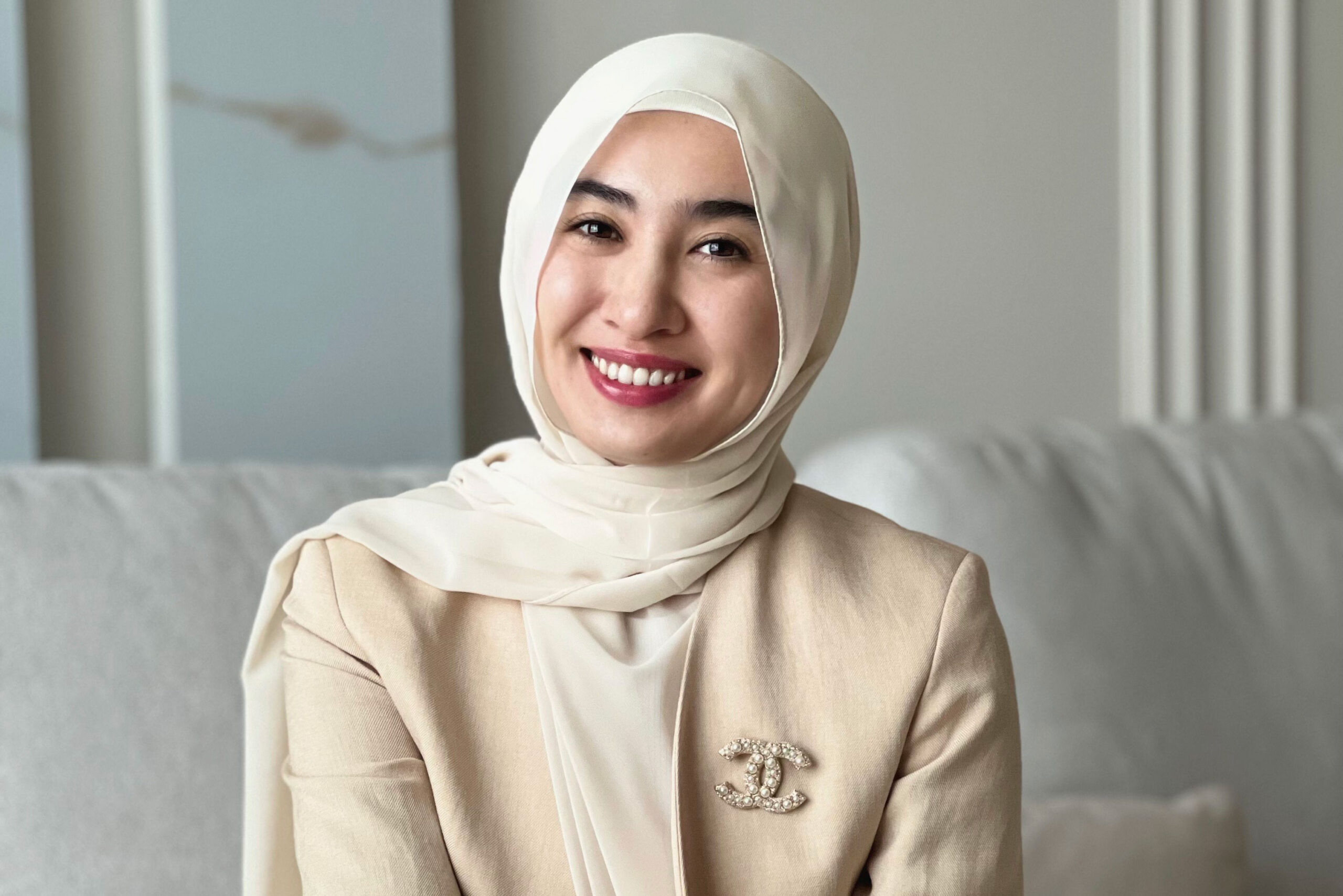
Looking at what’s happening globally -violence, crime, war, and widespread uncertainty, from politics and the economy to individual lives - people are experiencing a lot of fear... Now, people are asking how we can build a better future, stronger countries, and international laws that are respected. They’re reconsidering old patterns and seeking solutions that don’t simply replicate the past. I want to be part of that.
Botagoz Zhumabekova, JST Fellow, Kazakhstan
What is the value of the ideas exchange forum?
In 2026, bringing two different networks together created real value for both communities. UK Fellows engaged deeply with regional realities — Georgia, Belarus, Moldova, Turkmenistan — encountering contexts many had not previously explored. Some reflected on rights and freedoms they had long assumed; others, with experience of conflict, displacement or minority communities in the UK, found striking common ground with Fellows navigating democratic backsliding, exile and war.
The exchange opened genuine space for the kind of frank, practical dialogue that rarely happens in formal settings. Fellows from Eastern Europe shared firsthand knowledge of reflective control — influence operations designed to undermine democratic thought — and how it operates in practice. Georgian Fellows mapped the stages of democratic backsliding to watch for; Belarusian Fellows offered hard-won advice on navigating opposition movements safely, alongside their own analysis of where their experience diverges from Georgia's, and where opportunities lie. UK Fellows contributed perspectives on youth participation and community mobilisation.
For Fellows from Eastern Europe, the South Caucasus and Central Asia, the Forum offered something less easily replicated: a genuine sense of belonging and solidarity at a moment when many are isolated by repression, displacement or conflict. Taken together, the exchange demonstrated the strategic value of connecting people across borders — building the relationships, shared understanding and mutual support that formal diplomacy rarely reaches.
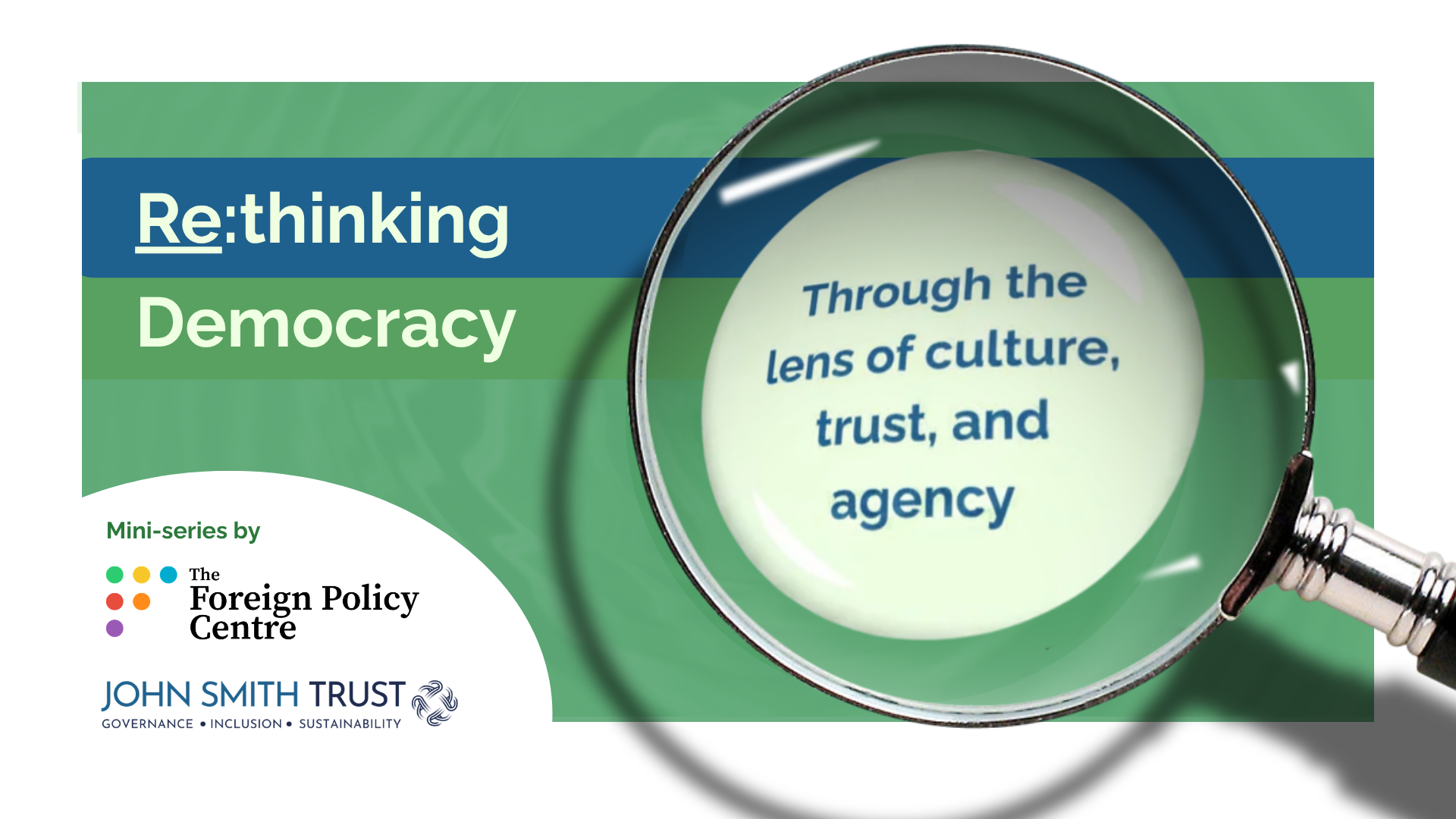
Rethinking Democracy: Through the Lens of Culture, Trust and Agency
Following the Forum we collaborated with the Foreign Policy Centre to share the insights Fellows gained, contributing to the conversation around re-thinking democracy through a lens of culture, trust and agency.
You can explore the series on the Foreign Policy Centre website.
“I'm a diplomat and we say that diplomats are the optimists - we have the courage to act when you don't have any guarantees yet. So I do see signs of wisdom in islands of people who are trying to find solutions and to have the courage to implement them. And I think this Ideas Exchange is one of those islands trying to offer solutions and to promote them at the level of decision takers and implementers. And it made me think and reflect on the balance between dignity, belonging and security. Without dignity, democracy weakens. Without belonging, it fractures and without security, it disappears.”
Liliana Gutan, JST Fellow, Moldova