Ukraine recovery & reconstruction
Past leadership programmes
We want to foster collaborative connections between counterparts in Ukraine and the United Kingdom. By developing and sharing expertise together, we can help ensure Ukraine’s reconstruction and recovery is sustainable, fair and inclusive.
Find out more about our past Ukraine recovery & reconstruction leadership programmes below.
Fellowship focus 2026: Green Recovery
Environmental damage from Russia’s war on Ukraine has had devastating consequences for natural resources, critical ecosystems and people’s health, livelihoods and security. A green recovery is about remedying that damage and setting Ukraine on a new path of environmental and social sustainability.
JST continues to support Ukraine and its leaders in their reconstruction and recovery efforts to enhance the resilience of their economy, institutions and communities and build back better.
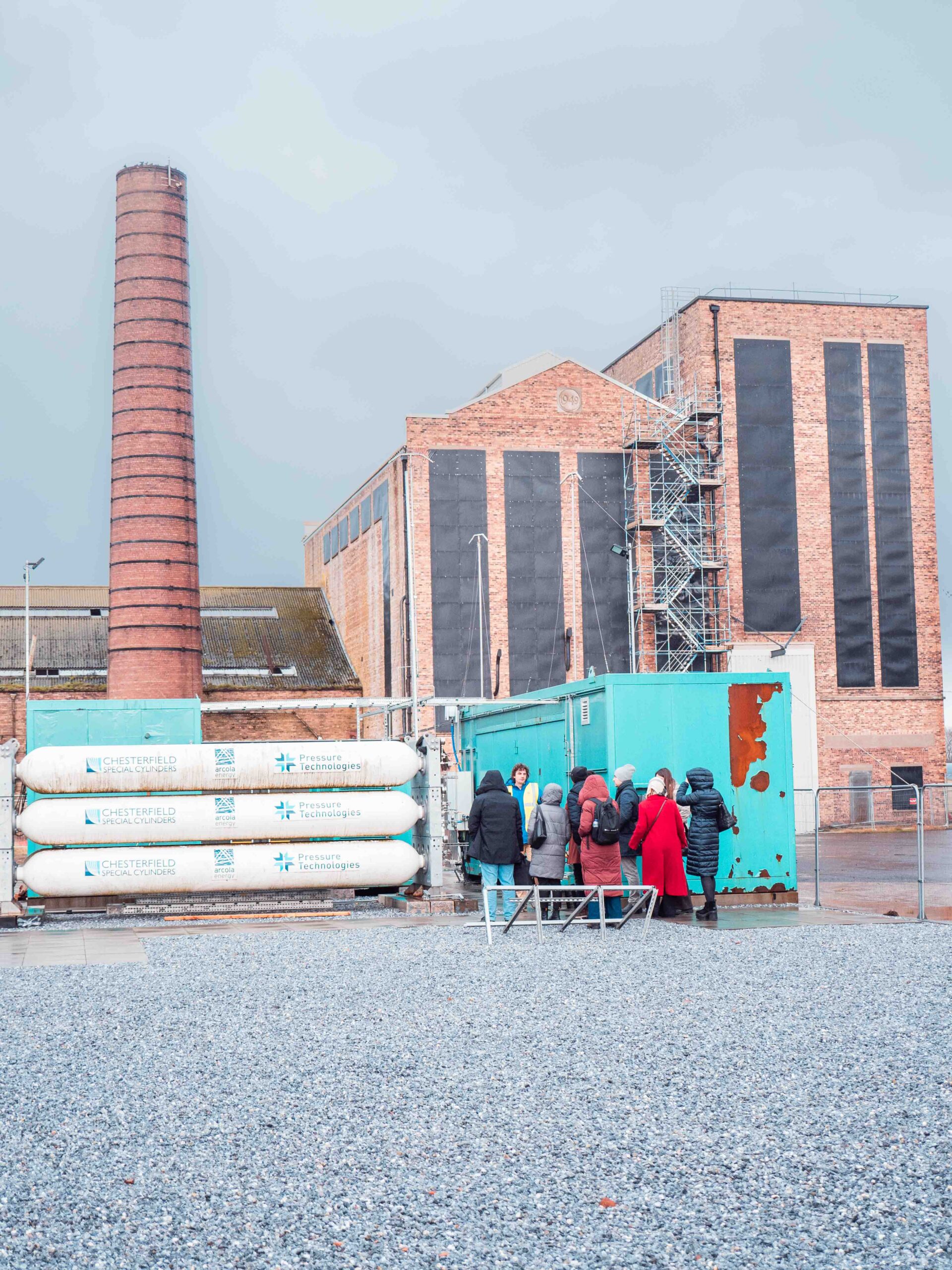
This programme brought together six exceptional professionals in the hydrogen sector who are committed to working towards the sustainable recovery and reconstruction of Ukraine.
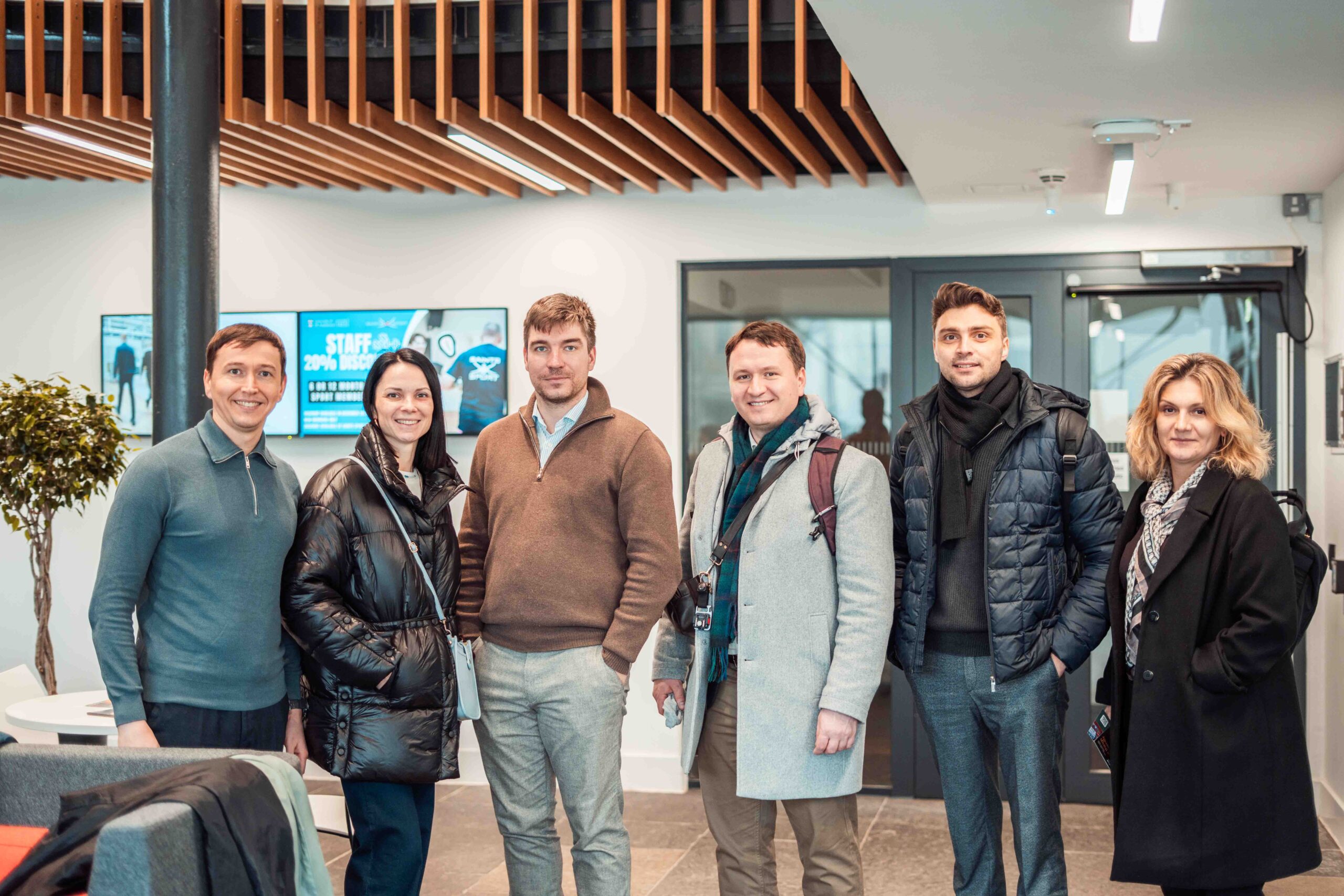
The programme explored how sustainable energy investments, innovative technologies, and resilient infrastructure can drive regional growth and self-reliance. The focus was on scaling up renewable green energy projects, improving energy efficiency, and modernising grid infrastructure to provide stable, affordable, and clean energy to communities.
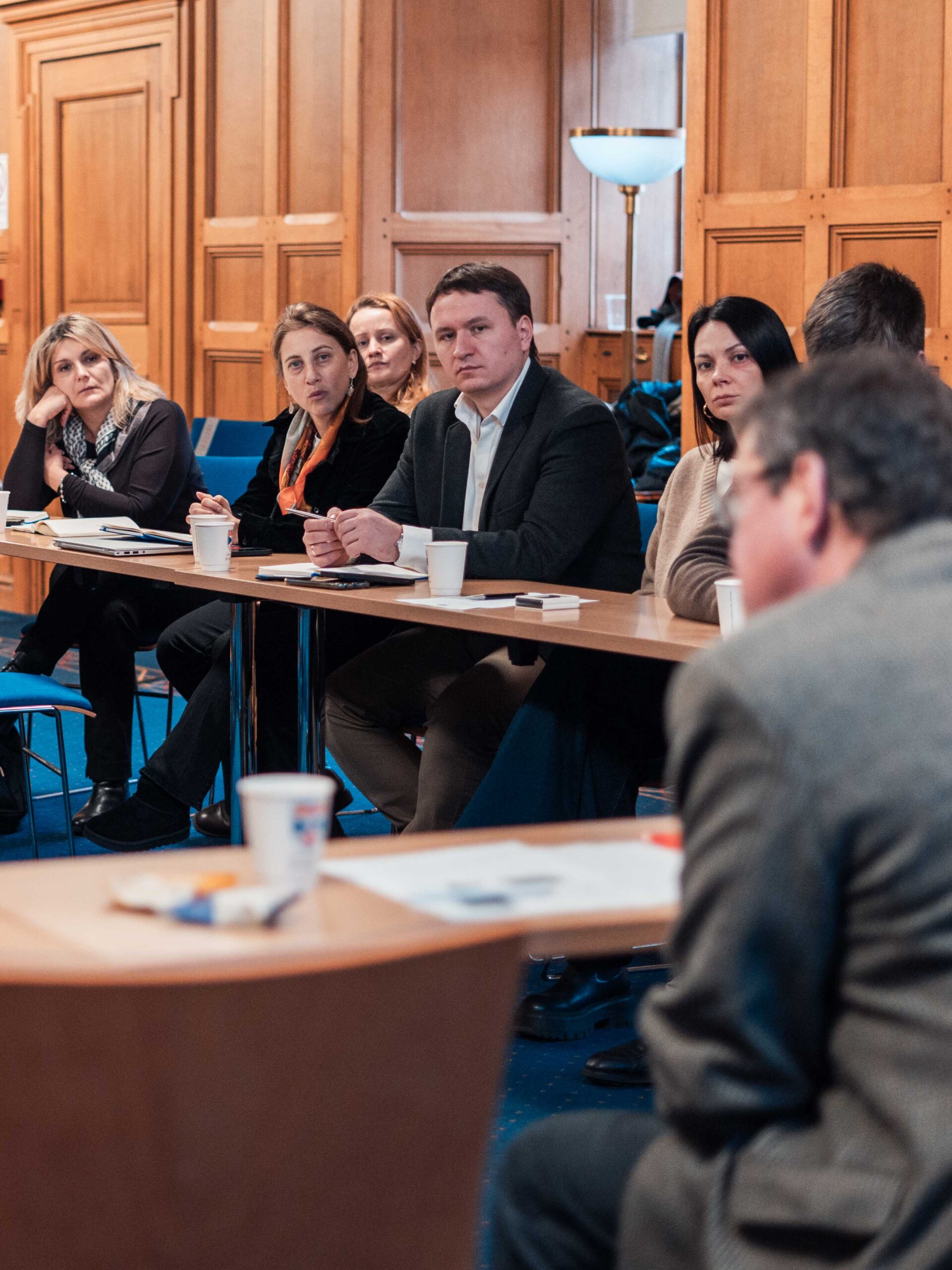
The residential included leadership and debate training, group sessions and workshops as well as visits to public institutions, policy institutes, and NGOs and meetings with experts in the hydrogen sector.
Fellows have continued to engage online and in-person with the community of Fellows from Ukraine, the wider Fellows’ network and UK counterparts.
Fellowship focus 2025: Digitilisation & Leadership
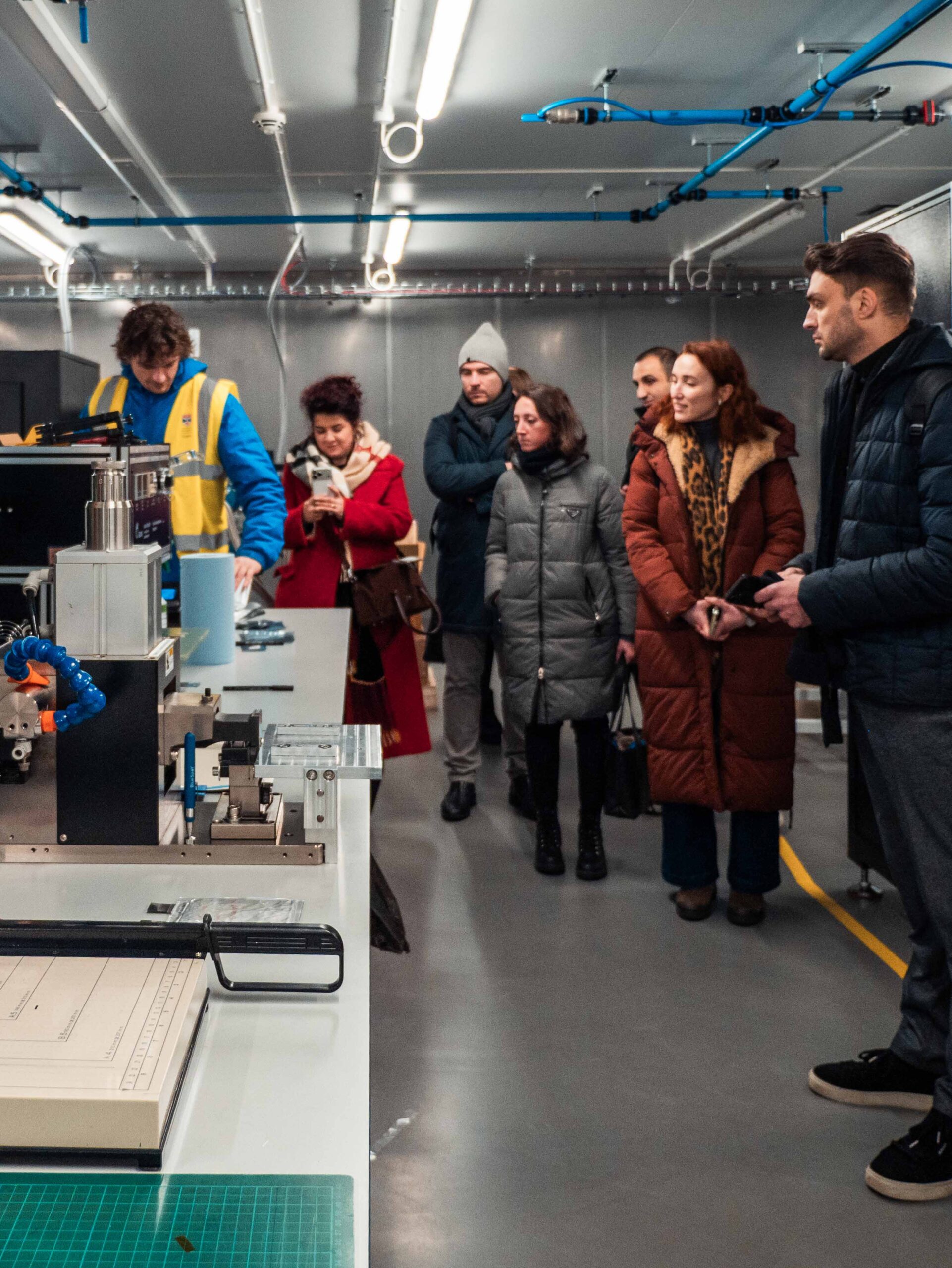
In 2025, we partnered with the Scottish government on our Ukraine reconstruction and recovery leadership programme. The programme brought together experts who work in digitalisation, innovations and private sector development. We selected five exceptional Ukrainian leaders, aged 25-40 for an intensive week of exchange, leadership development, and bilateral collaboration. 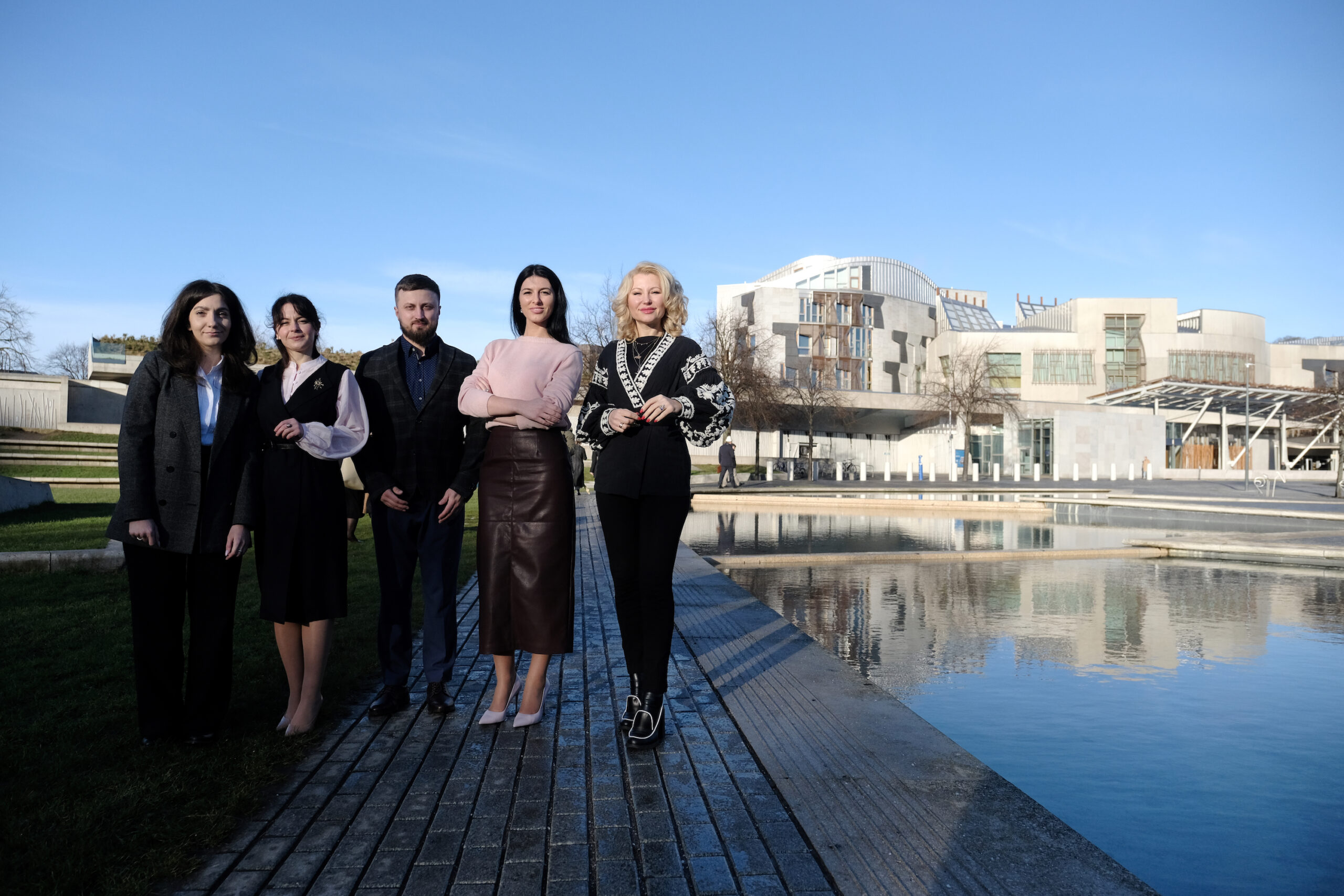
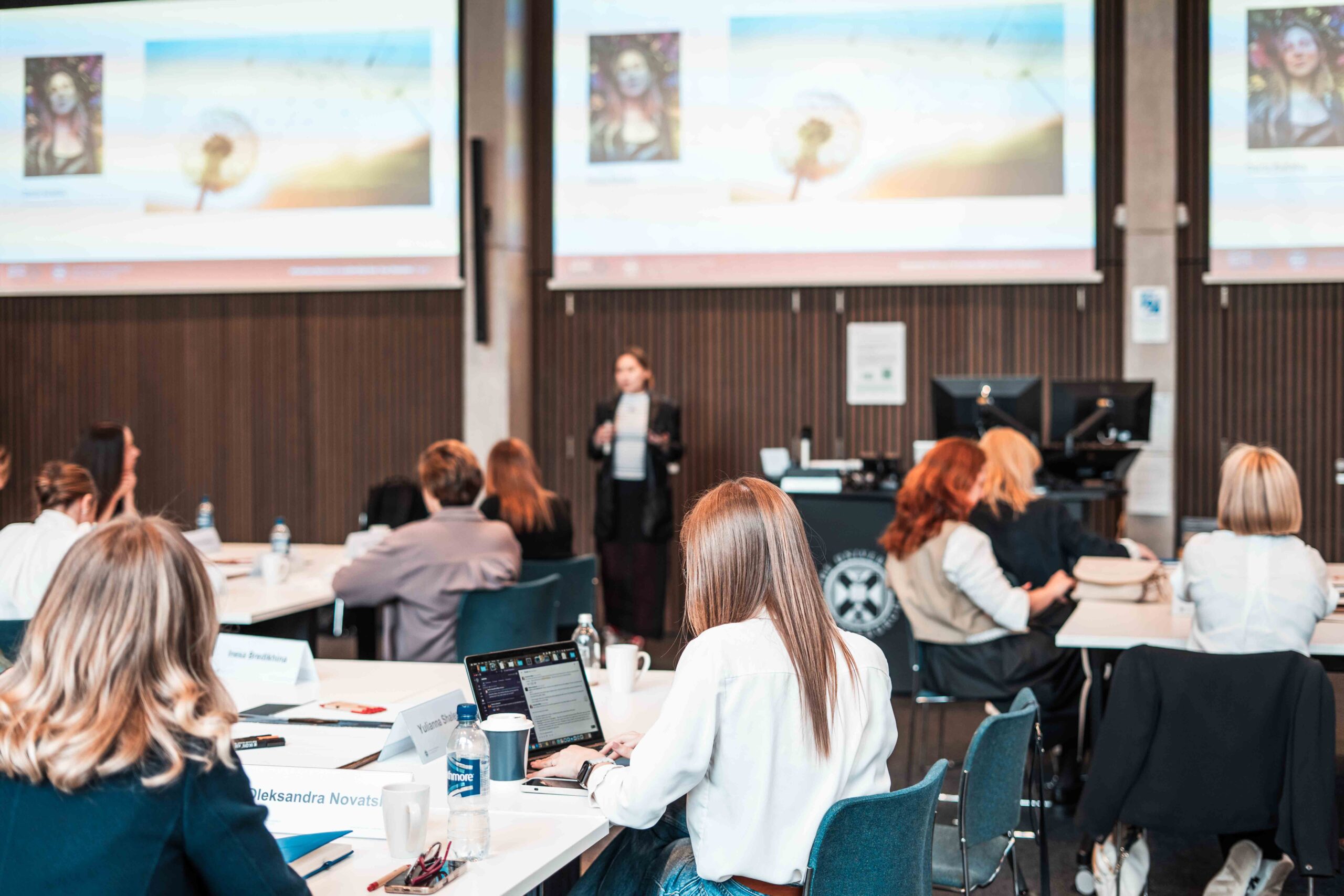
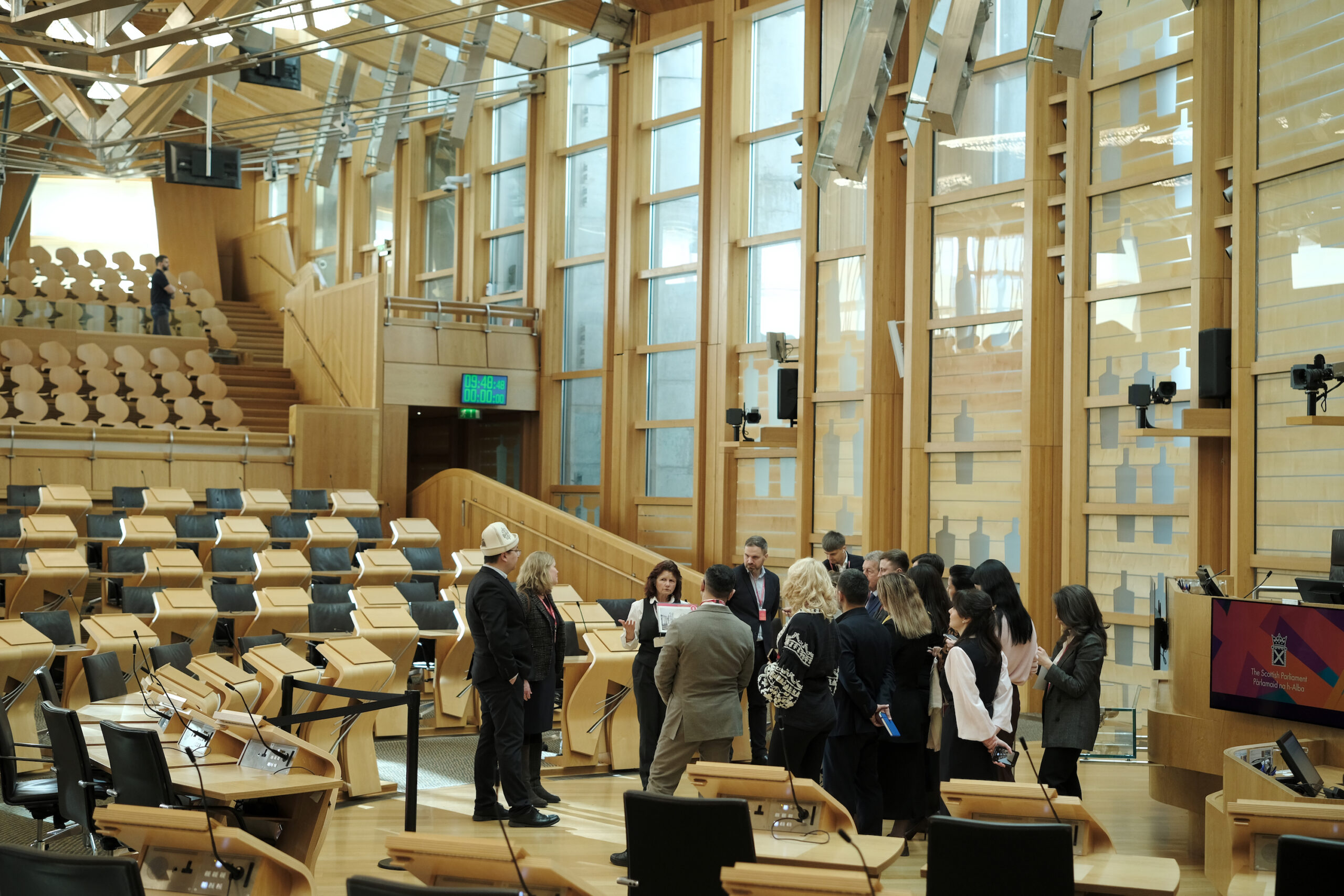
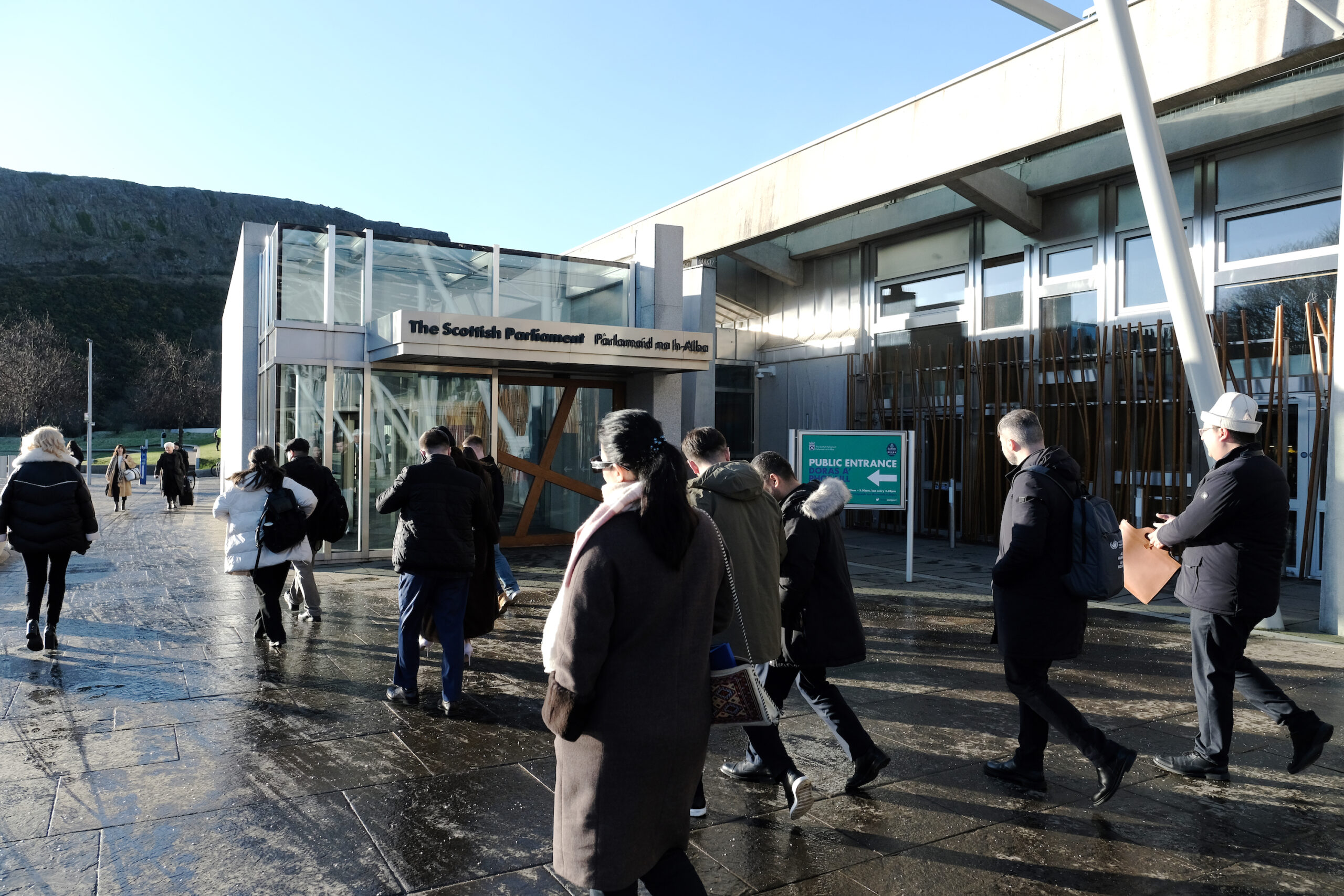
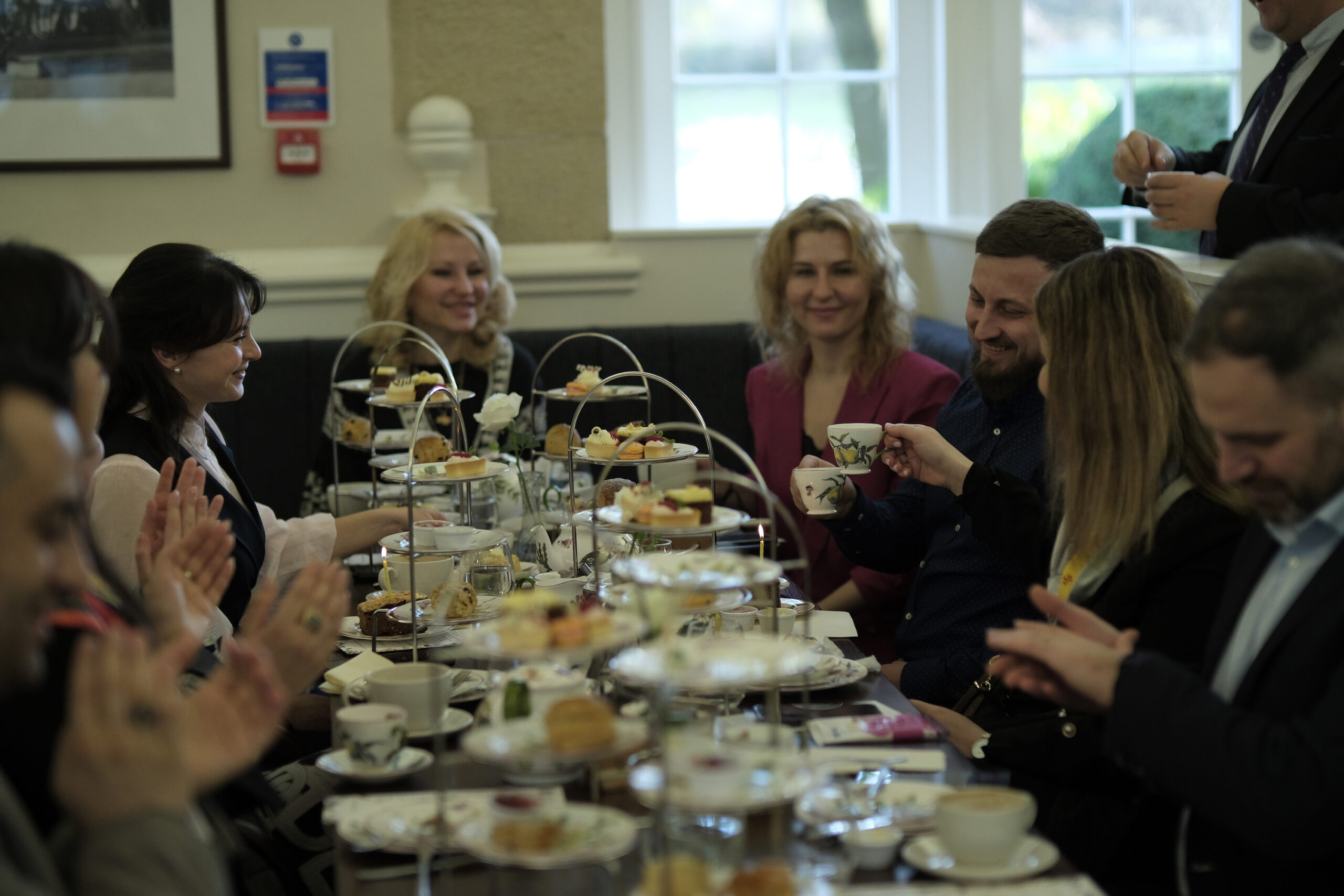
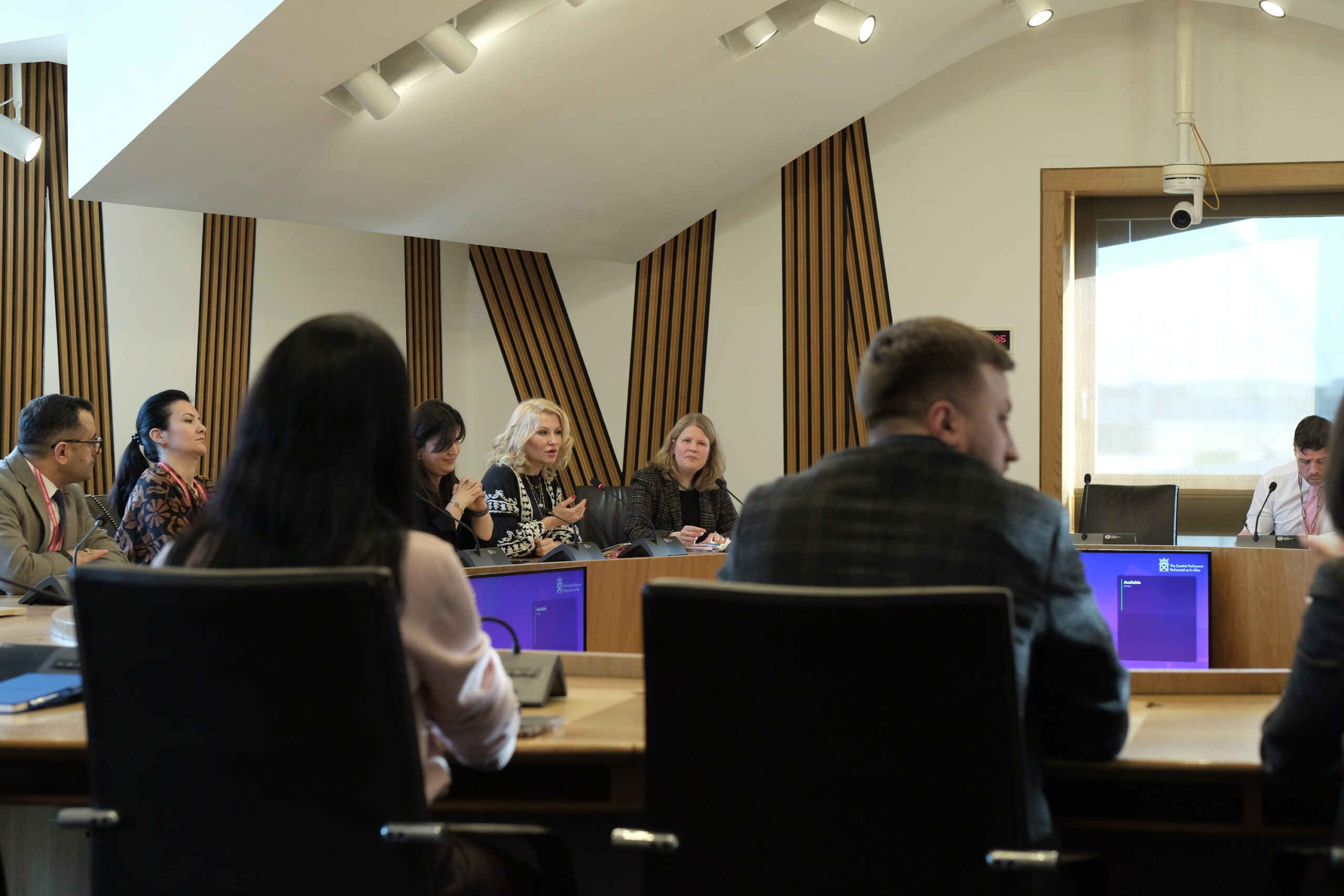
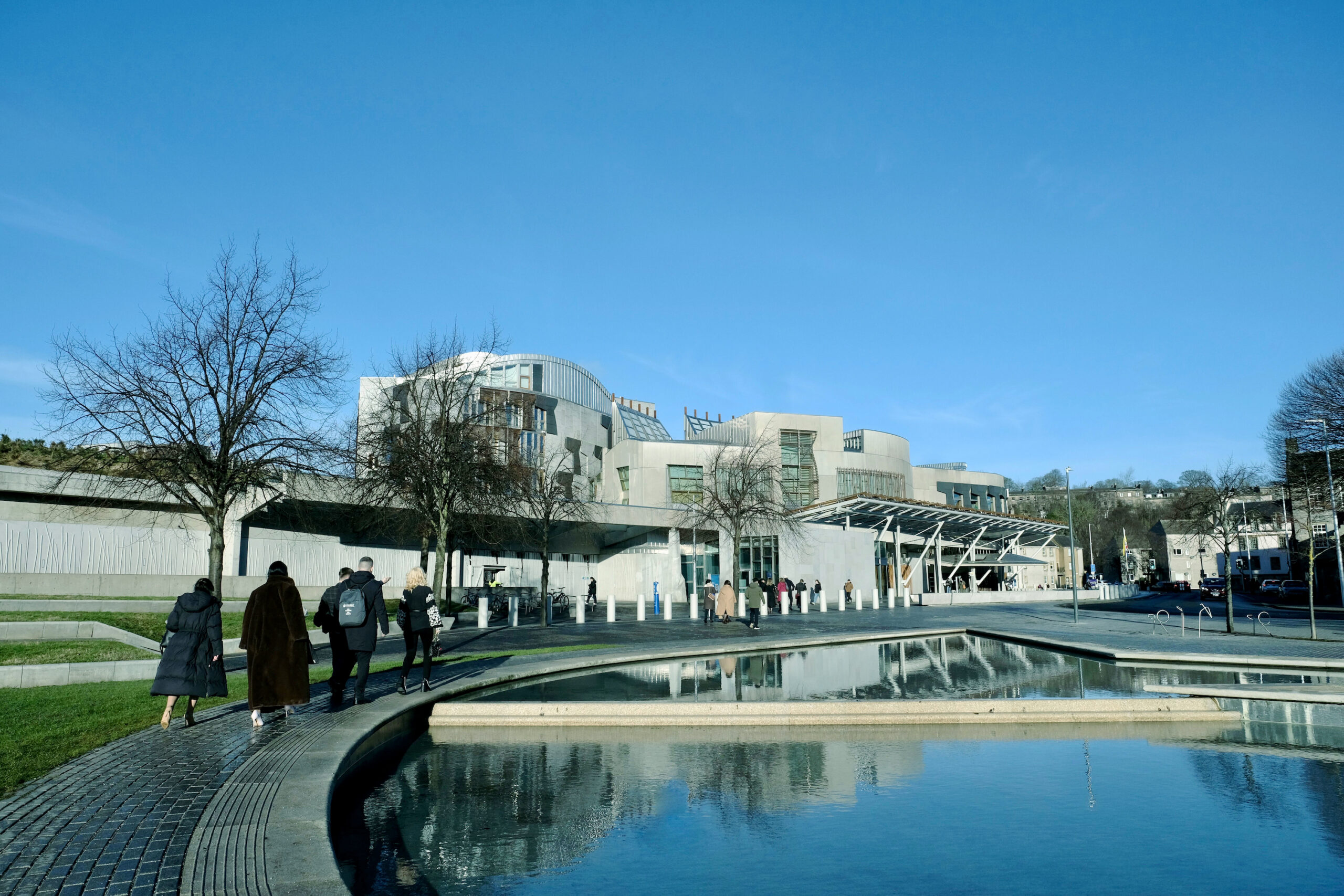
The programme included workshops in leadership and communication skills, roundtable discussions with Scotland’s leading policy-analysts and policy-makers, meetings with Scottish counterparts, a visit to Scottish Parliament, discussions with parliamentarians, and two public events dedicated to mark the third anniversary of the full-scale invasion of Ukraine. The participants had the opportunity to exchange knowledge and experience related to their professional sectors with Scottish counterparts. Scottish counterparts presented best practices in inspiration and people empowerment, participatory citizen engagement and building a state with a strong focus on people, supporting civil society and interest in developing collaborative leadership, using modern technologies and opportunities.
Fellowship focus 2024: Women's Leadership
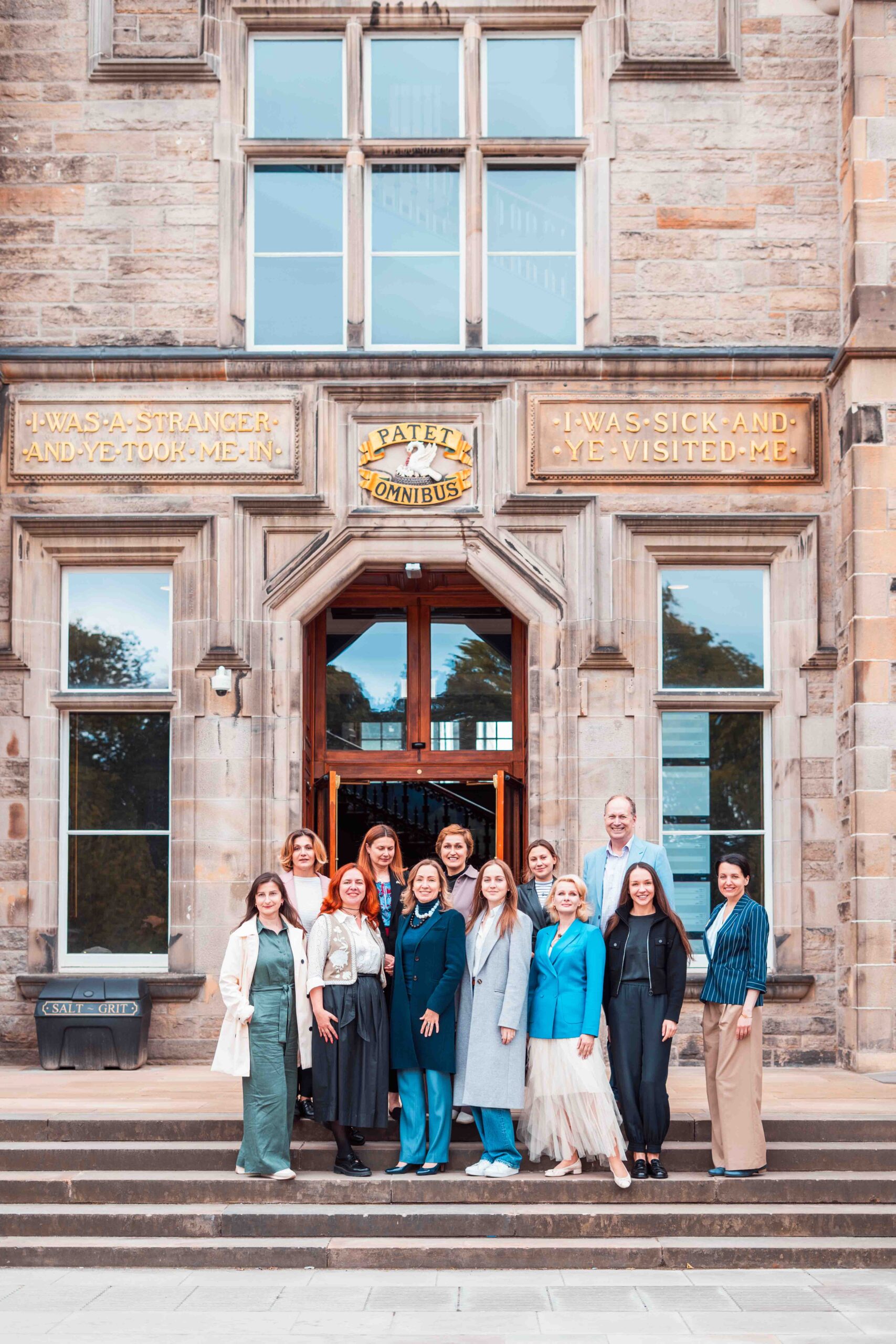
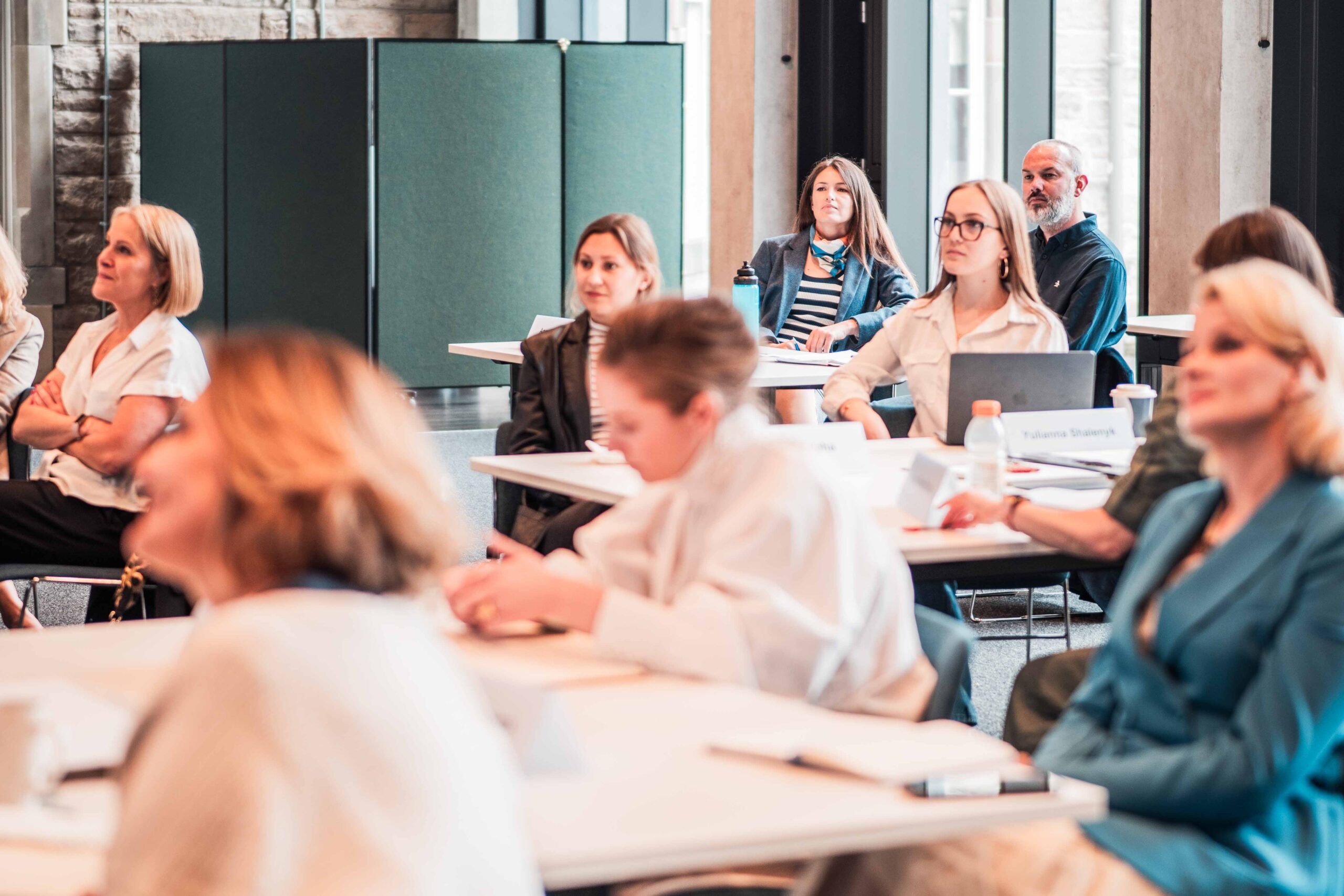
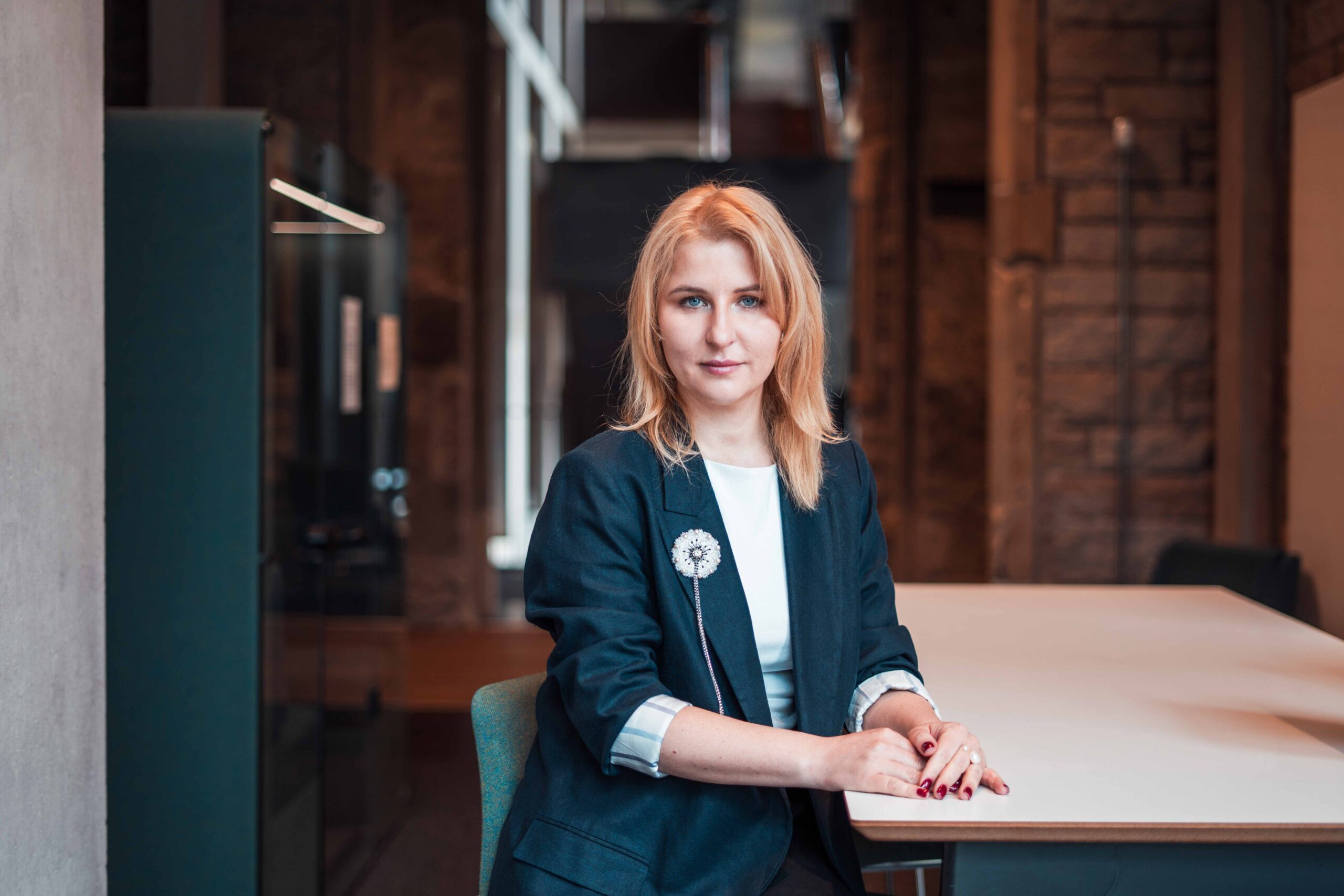
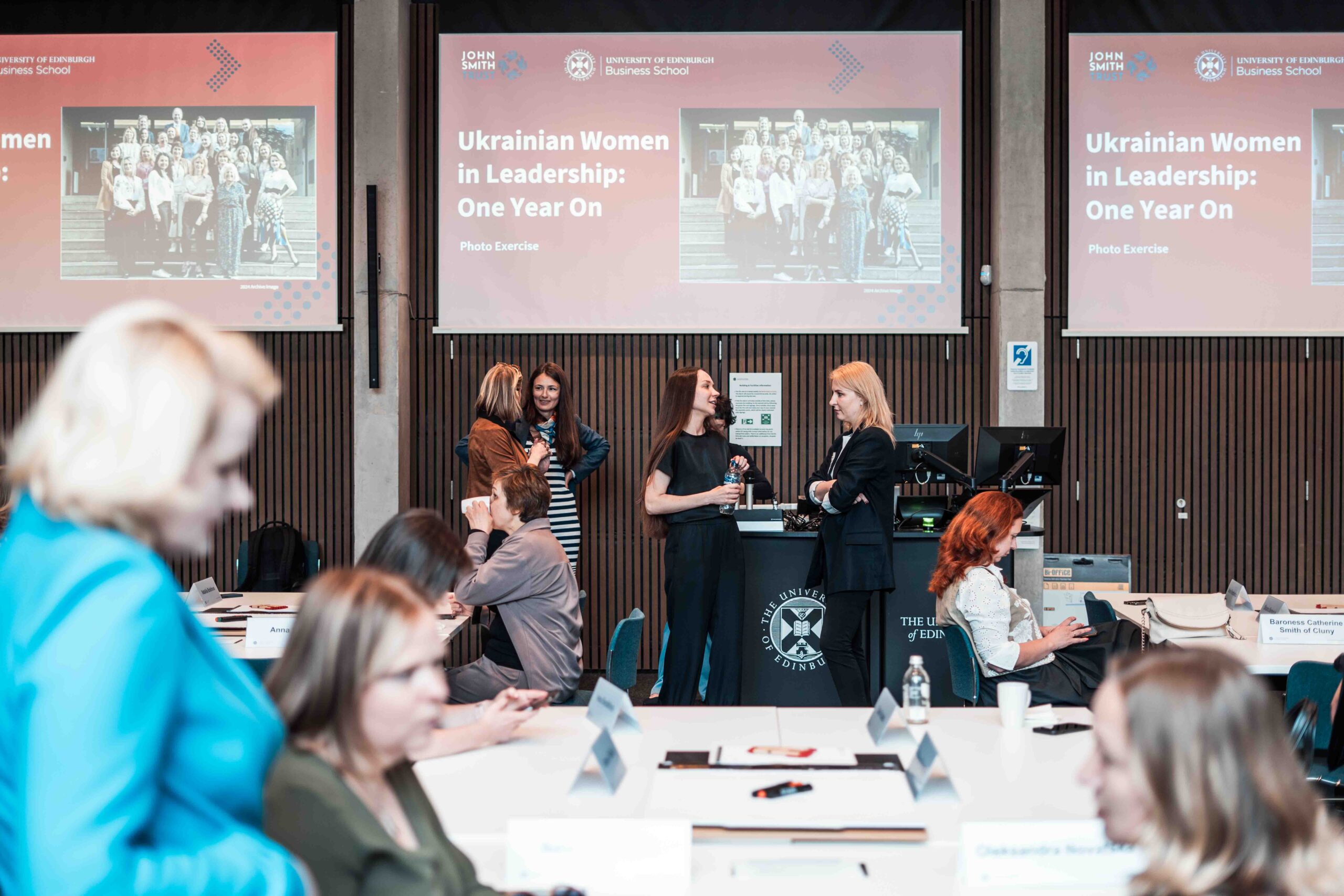
JST in partnership with The Business School, University of Edinburgh brought together 20 Ukrainian women living in Scotland and England, displaced by the war, who aim to return back to Ukraine to their home communities and help rebuild their country, equipped with the best practices and knowledge from the UK counterparts.
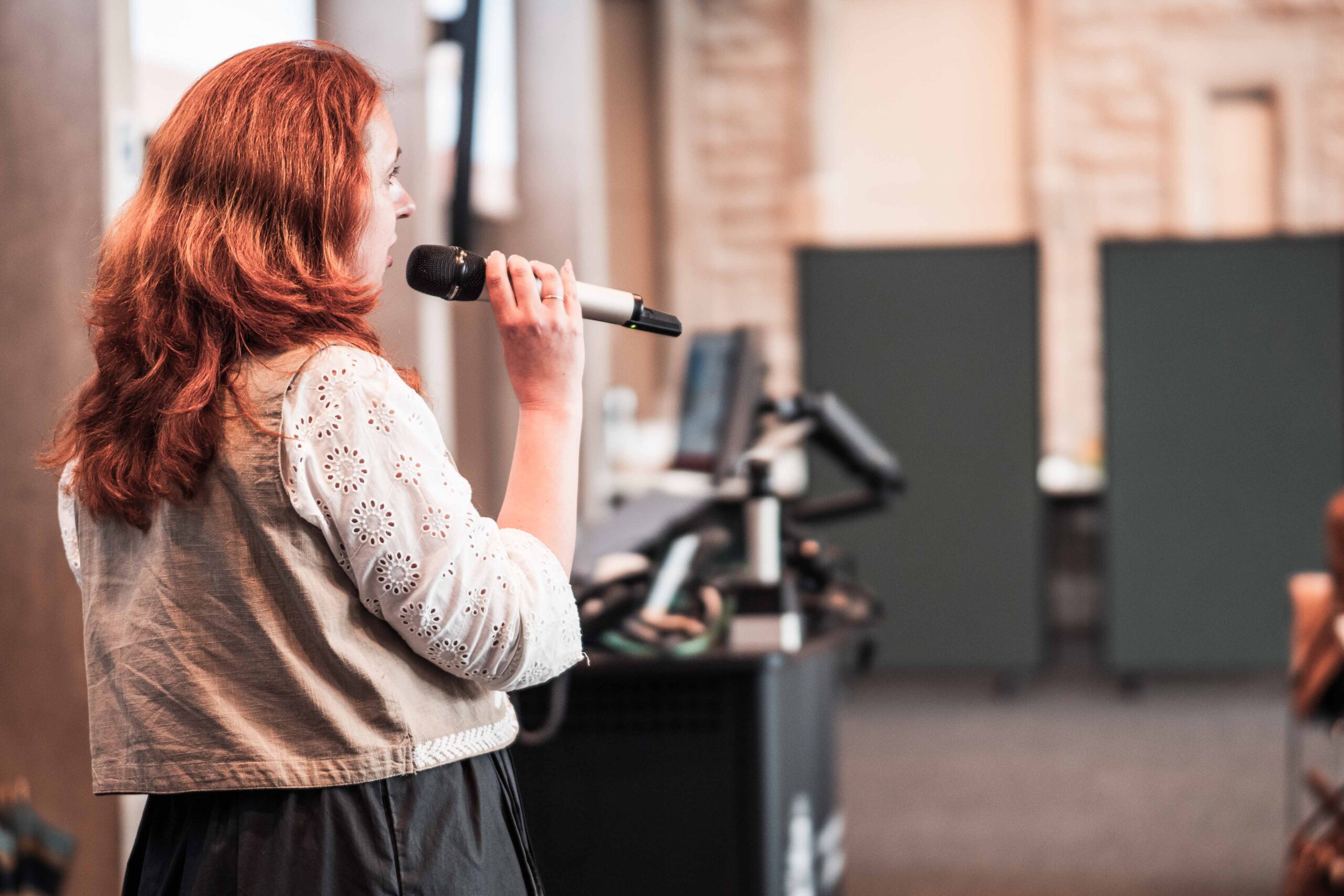
Participants engaged in panel discussions and workshops, observed the First Minister’s Question Time, visited the Scottish Parliament, and had meetings with First Minister of Scotland John Swinney and Cabinet Secretary for Social Justice Shirley-Anne Somerville. Key contributors to the programme included Jenny Britton, Director of Executive Development at the Edinburgh Business School, Professor Christ Carter, Chair of Strategy and Organisation, University of Edinburgh Business School and Professor Joanne Murphy, Chair of Inclusive Leadership, University of Birmingham Business School.
“The participants are experienced leaders in their fields in Ukraine, who found themselves in completely new circumstances. It is important to help participants understand a different approach to work, to decision-making and a different mentality, to understand how to work in this different system.”
“The programme has been a transformative experience, equipping me with the tools, connections, and confidence to thrive in both my personal and professional life in Scotland.”